

Share this Story


Where Are They Now? 5 Updated Environmental Stories to Keep on the Radar
Indigenous cultures across the globe take many forms. But one common unifying theme is their ethic of environmental stewardship—adherence to the commonsense edict that if we take care of the environment that nourishes us and maintains life, that we’ve got a better chance of survival overall.
With this in mind, Indian Country Today Media Network went back through the archives to update five environmental stories that have come and gone. Where are they now?
Palm Oil Displaces Indigenous Peoples
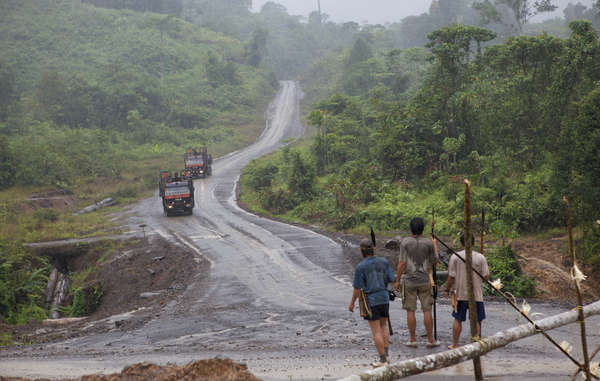
Uncertified palm oil is fueling deforestation and displacing Indigenous Peoples. Take the hunter-gatherer Penan tribe. When we reported their story in 2010, they were under threat from plans to expand palm oil plantations in the Malaysian state of Sarawak.
RELATED: Palm Oil Pushes Indigenous off Land
This month National Geographic reports that more than 90 percent of the Malaysian island of Borneo’s primary forest has now been destroyed. Former British Prime Minister Gordon Brown has called the deforestation of Sarawak, "probably the biggest environmental crime of our times."
Sarawak’s government does not recognize the Penan’s rights to their land, according to Survival International, an indigenous rights organization. In Indonesia, the demand for palm oil and energy drives deforestation and displacement of local communities. Learn more about certified palm oil.
BP Oil Spill
The April 20, 2010 BP oil spill off the Gulf of Mexico was nothing short of catastrophe for many, including Native tribes.
RELATED: Ecological Calamity Grows
A year later, the spill’s first anniversary was marked by continued devastation to Native lands and wildlife, the loss of livelihoods, and potential health hazards from exposure to the oil as well as to chemical dispersants.
RELATED: Gulf Tribes Still Struggling a Year After Oil Spill
Four years later, BP is still arguing its case in court as a decision looms on whether the corporation will pay $13.7 billion in fines—the maximum, which the U.S. Justice Department is seeking—or the statutory minimum of $3.19 billion, according to The Times-Picayune. The case is in the second week of the penalty phase of the civil trial.
Environmental repercussions continue as well. An April 2014 report compiled by the National Wildlife Federation found that more than a dozen species were still struggling, according to National Geographic. BP refuted the claims. Questions about public-health repercussions linger as well, CBS News reported last April.


You need to be logged in in order to post comments
Please use the log in option at the bottom of this page